Finding the Right Drum Size for Your Household
The drum capacity of your washing machine directly determines how much laundry you can wash in a single cycle, making it one of the most important decisions when choosing a new appliance. A 6kg drum holds roughly 30 t-shirts or a week's worth of washing for one person, while an 8kg capacity can handle bedding sets and larger family loads.
For single people or couples, a 6-7kg washing machine typically provides the perfect balance between efficiency and practicality. You'll manage daily washing easily while avoiding the higher running costs of larger machines when washing smaller loads. These compact models also fit better in Irish apartments where space comes at a premium.
Families with 2-3 children benefit most from 8-9kg drum capacities. This size handles school uniforms, sports kits, and bedding changes without requiring multiple cycles throughout the week. An 8kg machine can wash a full set of double bed sheets and pillowcases in one go, saving both time and energy compared to splitting loads.
Large households or those who prefer batch washing should consider 10kg or larger capacities. These machines excel at handling bulky items like duvets, curtains, and multiple towel loads that smaller drums simply can't accommodate. However, remember that larger drums require more water and energy even for smaller loads, so they work best when you consistently fill them to capacity.
Consider your washing habits alongside household size when making this choice. If you wash clothes frequently in smaller batches, a smaller drum proves more economical. Families who accumulate laundry for weekly wash days will find larger capacities more practical and cost-effective in the long run.
Washing Machine Types: Which Suits Your Space
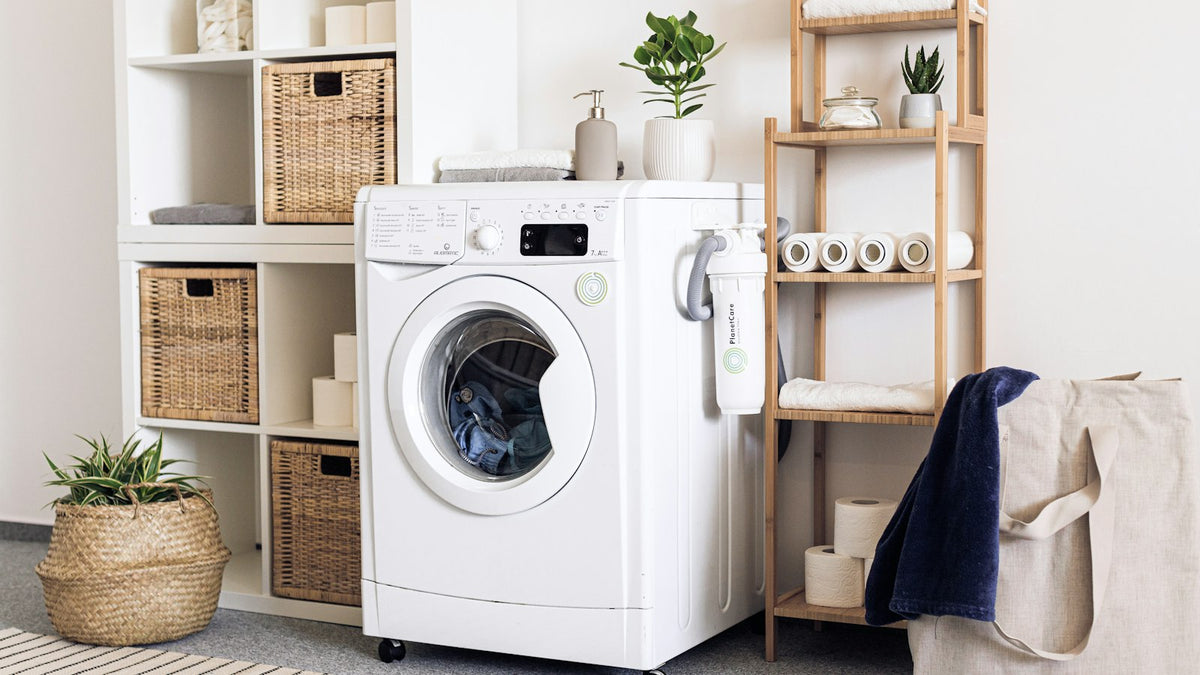
Freestanding washing machines offer the most flexibility for Irish homes, requiring only plumbing connections and a standard 60cm width space. These models typically run quieter than integrated versions and allow easier access for maintenance, with most featuring adjustable feet to level on uneven floors common in older Irish properties.
Integrated washing machines hide completely behind your kitchen cabinet doors, creating a streamlined look that many homeowners prefer. However, they require precise measurements during kitchen planning and usually cost more than equivalent freestanding models. The cabinet housing can also amplify vibration noise, particularly during the spin cycle.
Built-in models sit under your worktop with the control panel visible, offering a compromise between aesthetics and practicality. These washing machines typically measure 82cm in height compared to the standard 85cm of freestanding units, fitting neatly under most kitchen counters without modification.
Washer-dryers combine both functions in a single 60cm unit, making them ideal for compact Irish homes where separate appliances aren't practical. While convenient, most models wash larger loads (8-9kg) than they can dry (5-6kg), meaning you'll need to remove some clothes before switching to the drying cycle.
Consider your kitchen layout carefully before choosing. Freestanding machines work in utility rooms, garages, or kitchen corners, while integrated models require kitchen renovation timing. Remember that all washing machine types need similar water pressure and drainage requirements regardless of their installation style.
Energy Ratings and Running Costs in Ireland
Energy labels on washing machines rate them from A (most efficient) to G. The label also shows the energy used per 100 cycles on the eco 40-60 programme, in kWh, so you can compare models directly: the lower the figure, the less electricity the machine uses.
The label also shows the water used per cycle on the eco 40-60 programme, in litres, along with the programme length, spin-drying class and noise level. Compare these figures across models of the same capacity.
To estimate running costs, multiply the kWh per 100 cycles by the number of washes you do and by your electricity unit rate. Most of the energy goes on heating water, so the programme and temperature you choose make a big difference.
Irish homeowners can further reduce costs by washing at 30°C instead of 40°C, as heating the water uses most of the energy in a wash. Modern detergents work effectively at lower temperatures, and most soil and stains lift just as well at 30°C. Reserve 60°C washes for heavily soiled items or sanitising cycles when family members are ill.
Essential Wash Programmes and Modern Features
Modern washing machines include multiple wash programmes designed for specific fabric types and soil levels, with cotton programmes typically running 2-3 hours at full temperature while quick wash cycles complete in just 15-28 minutes for lightly soiled items. Most machines offer synthetic programmes that use lower temperatures and gentler agitation, plus wool cycles with minimal spinning to prevent shrinkage.
Some machines help detergent work at lower temperatures, such as Samsung's ecoBubble, which mixes detergent with air and water before it reaches the drum. This helps you get good results on cooler washes.
Quick wash programmes prove essential for Irish households managing busy schedules. These cycles handle up to 2kg of lightly soiled clothing in 15-30 minutes. For full loads, the eco 40-60 programme uses the least energy, even though it takes longer.
Smart Features That Make a Difference
Delay start functions let you program your washing machine to begin cycles during off-peak electricity hours, typically between 11pm and 8am on night-rate tariffs, when electricity costs less. Most models offer delays up to 24 hours, perfect for taking advantage of cheaper electricity while ensuring clothes are ready when you wake.
Load sensors automatically adjust water levels and cycle duration based on the weight of laundry, preventing waste when washing smaller loads. Steam programmes use hot vapour to reduce creases and freshen fabrics, particularly useful for bedding and clothes that cannot be washed at high temperatures.
Anti-vibration technology reduces noise during the spin cycle, important in Irish homes where washing machines often sit near living areas. Look for models with direct drive motors that eliminate belts and pulleys, running quieter and requiring less maintenance over their lifespan.
Why Washer-Dryers Make Sense for Irish Homes
Washer-dryers combine washing and drying in a single 60cm wide unit, making them ideal for Irish homes where separate appliances would take up too much space. They fit into the same footprint as a standard washing machine.
The key advantage for Irish households lies in eliminating the need for outdoor drying space during our frequent wet weather. Modern washer-dryers complete a full wash and dry cycle in approximately 4-6 hours, meaning you can start a load before work and return to completely dry clothes. This proves particularly valuable in apartments or homes without gardens, where traditional line drying becomes impossible during winter months.
Many people assume washer-dryers compromise on performance, but current models address many earlier limitations. Most can dry less than they can wash, so check both capacities and take some items out before drying a full wash load.
A washer-dryer usually uses more energy to dry a load than a separate heat pump tumble dryer, but it saves the space of a second appliance. Its energy label rates both the wash cycle and the complete wash-and-dry cycle, so you can compare models.
Space, Connections and Maintenance
Most washing machines need a 60cm wide space, a cold water supply, a waste pipe or standpipe and a standard plug socket nearby. Check the depth too, leaving room behind the machine for the hoses, and make sure the door can open fully.
Check the delivery options when you order, and measure doorways and stairs on the way to the room. Under Irish WEEE rules, retailers take back your old appliance free of charge when you buy a new one of the same type.
Washing machines connect to a standard cold water valve, and the waste hose drains into a standpipe or an under-sink trap. If your connections are old or you are unsure about them, ask a plumber to check them before delivery day.
Maintaining Your Washing Machine
Run a maintenance wash monthly using washing machine cleaner or a 90°C cotton cycle with no clothes to remove detergent buildup and limescale. Irish water varies from soft in western counties to moderately hard in Dublin and the east, requiring different approaches to scale prevention. Hard water areas benefit from using powder detergent occasionally, as it contains water softeners that liquid versions lack.
Clean the detergent drawer weekly by removing it completely and soaking in warm water to prevent mould growth in Ireland's humid climate. Check door seals for trapped items and wipe dry after each use to prevent the musty odours common in our damp conditions. The drain filter, located behind a small panel at the front, needs cleaning every 3-4 months or whenever drainage becomes slow.
Check the inlet and drain hoses once a year and replace them if they are cracked or bulging, as a burst hose can cause significant water damage.
Getting the Best Value for Your Budget
Entry-level washing machines cover the essentials well. A-rated efficiency is common even at the lower end of the range, along with 7-8kg drums, cotton and synthetics programmes and quick washes for everyday laundry.
Mid-range models add features like steam programmes, delay start timers and app control, along with variable temperature settings, extra rinse options and quieter running.
Premium washing machines focus on build quality, quieter motors, larger drums and features such as automatic detergent dosing, and some brands give longer cover on key parts such as the motor.
Guarantees
Check the manufacturer's guarantee on each product page, as cover varies by brand. Your rights under Irish consumer law apply on top of any guarantee.
Consider investing in premium features like inverter motors and stainless steel drums if you plan to keep your washing machine for 10+ years. These components resist wear better than conventional parts, reducing long-term maintenance costs and ensuring consistent performance throughout the appliance's lifespan.