Robot Lawnmowers Go Mainstream in 2026 — 3 Trends Driving the Shift
Published | March 2026
The Numbers Tell the Story
The global robotic lawn mower market is projected to grow from $2.3 billion in 2025 to over $7 billion by 2033 — a compound annual growth rate of 15.6%. That's not a niche product category; that's a sector entering its growth phase, much like robot vacuum cleaners did a few years ago.
3 Trends Shaping 2026
Wire-Free Navigation Is Now the Standard
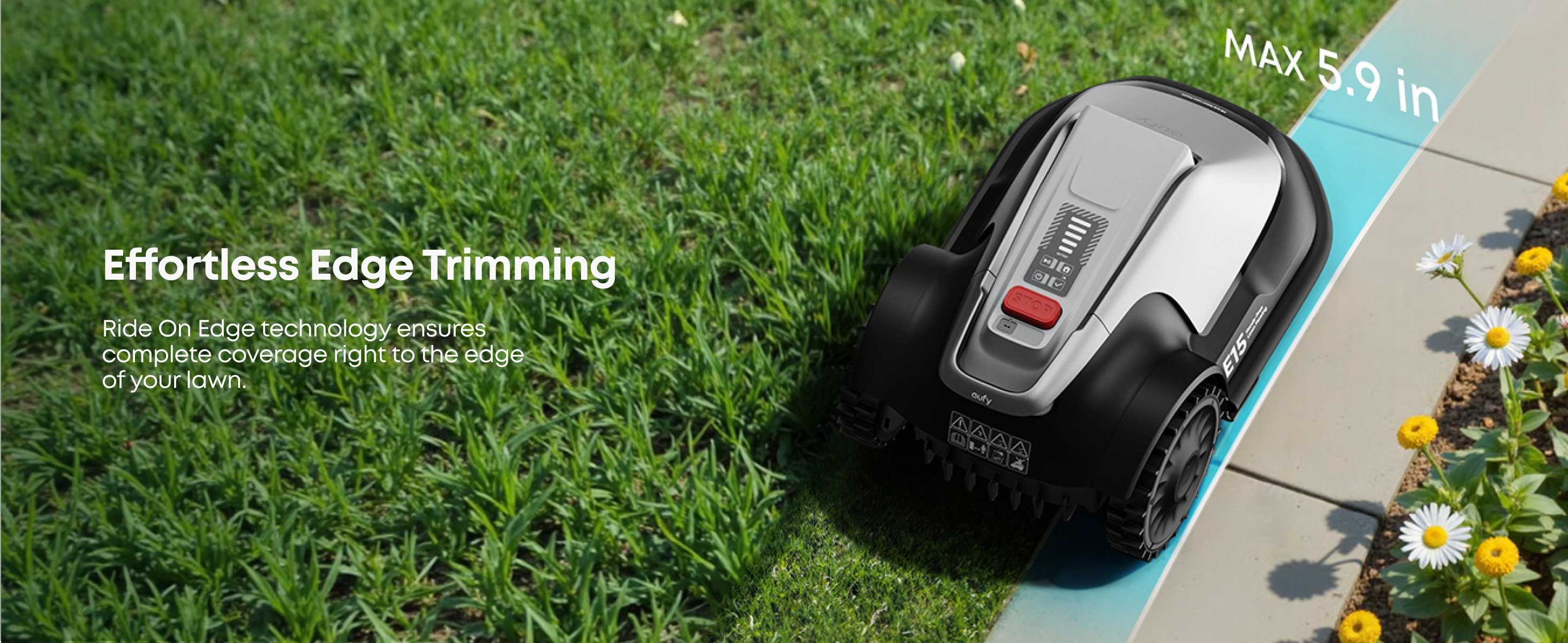
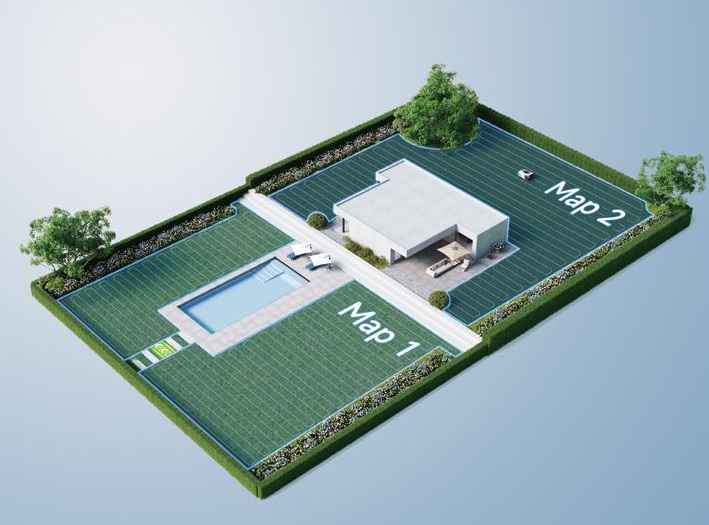
The days of burying perimeter wires around your garden are fading. In 2026, the majority of new robot lawnmower models use RTK-GPS, LiDAR, or vision-based navigation to map and mow your lawn — no boundary wire installation required. This removes one of the biggest barriers that previously put people off: the complex and time-consuming setup. Modern wire-free mowers can be up and running in under an hour, mapping your garden on their first run and improving their route with each subsequent mow.
Prices Are Becoming More Accessible
Just a couple of years ago, a decent robot lawnmower would set you back well over €1,500. In 2026, capable wire-free models from brands like MAMMOTION, ECOVACS are available from around €800–€1,000 for small-to-medium gardens. Premium all-wheel-drive models for larger or uneven terrain sit in the €1,500–€2,500 range — still a significant purchase, but competitive when you consider the time and cost of regular manual mowing or hiring a gardening service.
AI and Smart Home Integration
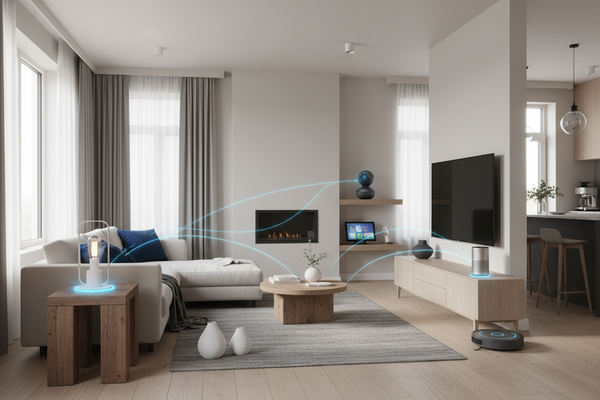
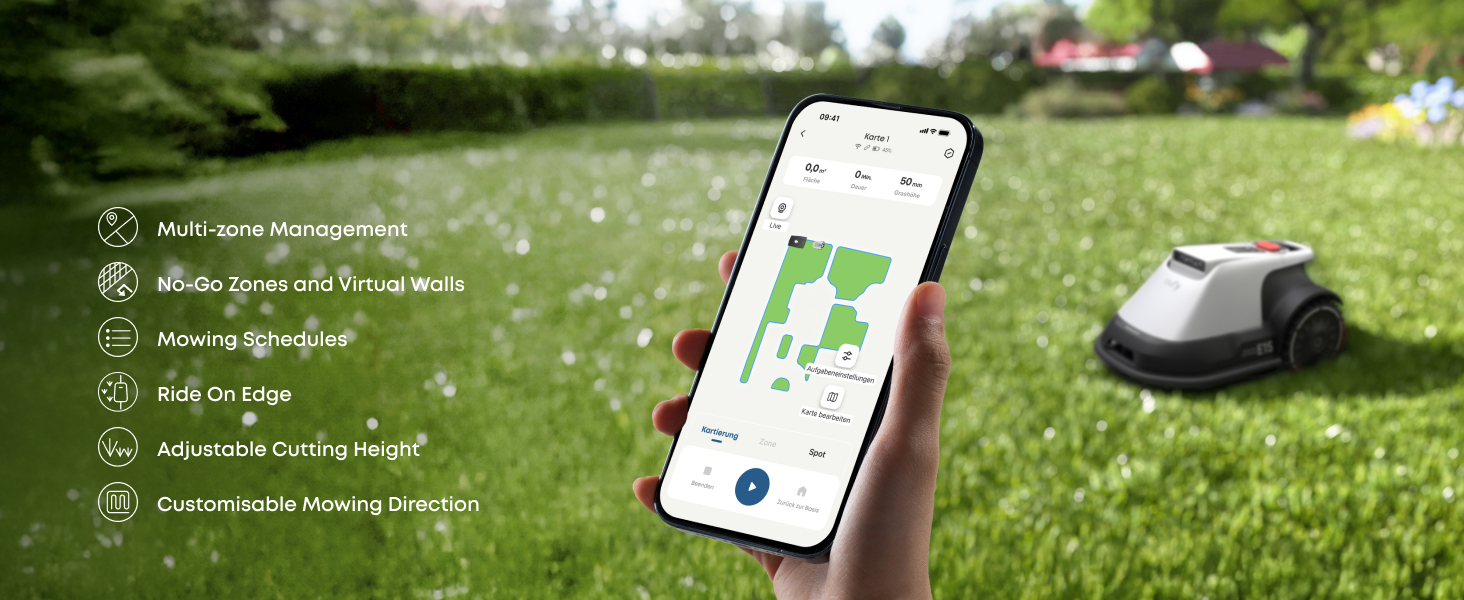
The latest generation of robot mowers doesn't just cut grass — they think about it. AI-powered models can recognise objects (toys, garden hoses, pets) and navigate around them. They adjust their mowing schedule based on grass growth rate and weather forecasts. And increasingly, they integrate with smart home ecosystems — letting you start, stop, or schedule mowing sessions from your phone, voice assistant, or even your smartwatch.
Why Ireland Is a Great Fit for Robot Mowers
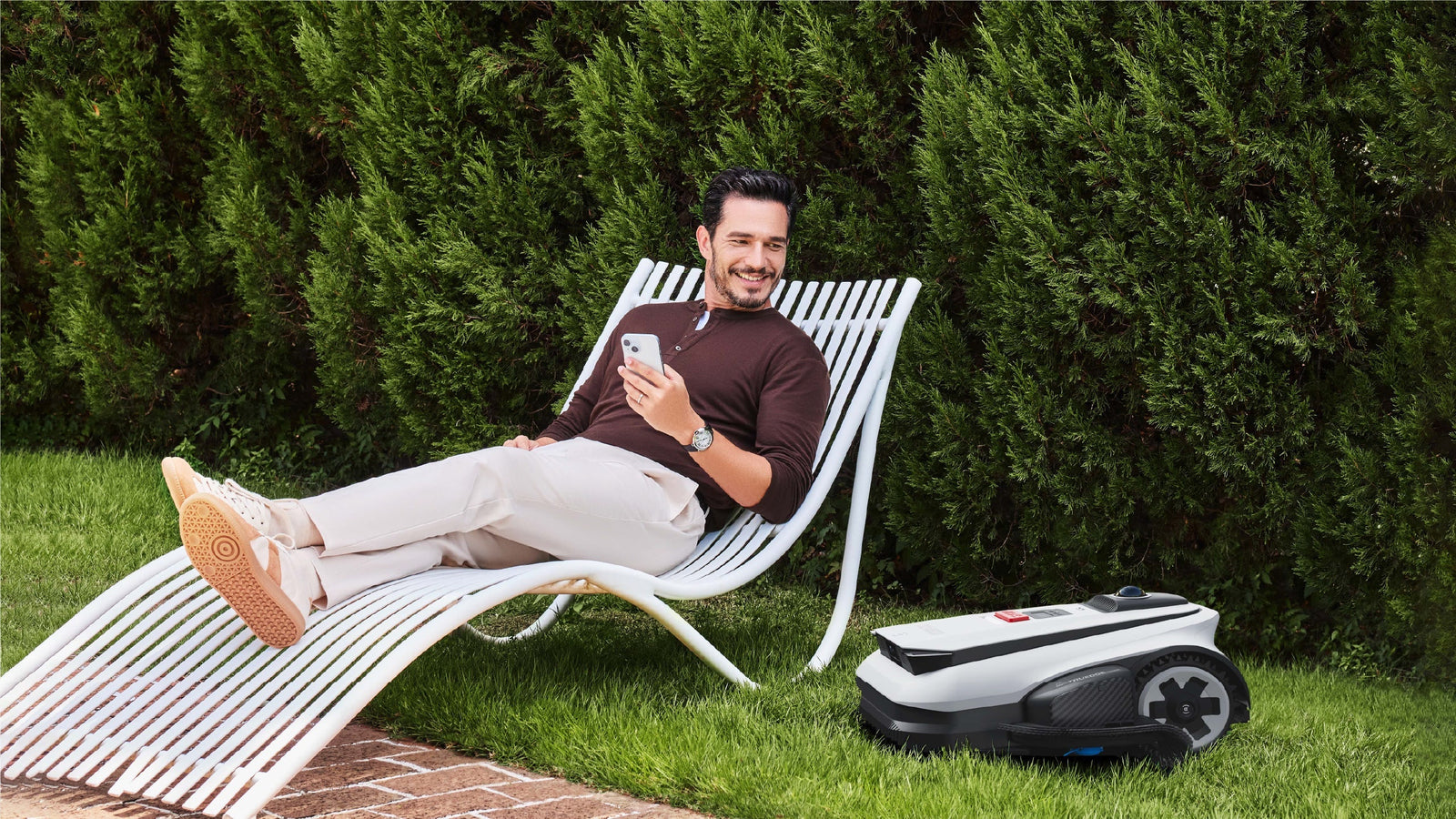
Ireland's mild, damp climate means grass grows fast and needs frequent cutting throughout the season. A robot mower handles this effortlessly — trimming little and often, which actually promotes healthier, denser turf. And because they run on rechargeable batteries, there are no petrol costs, no emissions, and far less noise than a traditional mower. For anyone tired of spending their weekends pushing a mower around the garden, 2026 is the year it finally makes sense to let a robot take over.
What to Look For When Buying
If you're considering a robot lawnmower this year, here are a few things worth thinking about:
Lawn size compatibility — check the maximum coverage area. Most models specify this clearly (e.g., 800m², 1,200m², 2,000m²).
Slope handling — if your garden has hills or uneven terrain, look for an all-wheel-drive (AWD) model rated for steeper gradients.
Navigation type — wire-free (RTK-GPS, LiDAR, or vision) is now preferred for ease of setup. Some budget models still use boundary wires, which work well but require more effort to install.
App and smart home support — most modern models come with a companion app for scheduling and monitoring. If you use Alexa, Google Home, or Apple HomeKit, check for compatibility.
Rain sensor — a must-have for Irish gardens. Most quality mowers include one, automatically docking when it rains to avoid damaging wet turf.
Ready to Let a Robot Mow Your Lawn?
Browse our range of robot lawnmowers online or visit your local Euronics Specialist store for a hands-on demonstration.
Shop Robot Lawnmowers Find Your Local StoreSources: Grand View Research, MAMMOTION, TechRadar 2026. Images courtesy of product manufacturers. This article has been written by the Euronics Specialists for informational purposes. Product availability and pricing may vary.